

For three days, Ilmenau became a hub for intellectual property: From 10 to 12 June, experts from industry, academia, public administration, and information services gathered for PATINFO2026 at the invitation of PATON | Thuringian State Patent Centre at Technische Universität Ilmenau. Under the motto "Securing the Future through IP," they discussed the protection of intellectual property in an era shaped by artificial intelligence, geopolitical change, and increasing pressure to innovate.
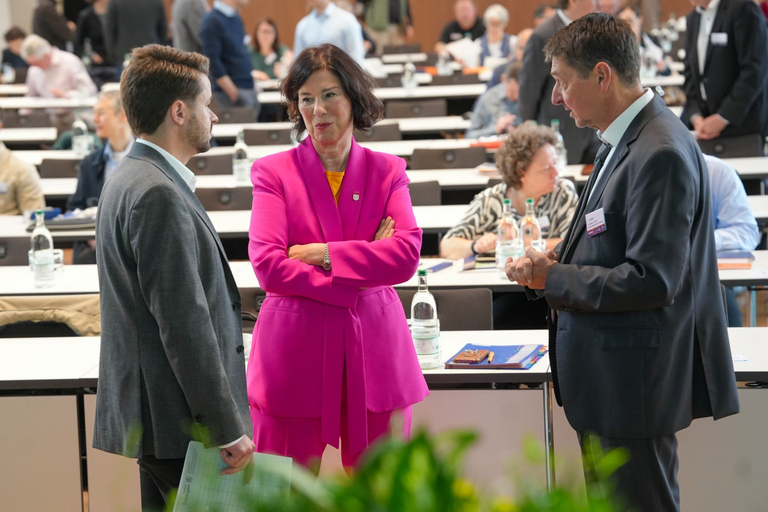
The focus of the largest conference of its kind in Germany was on new forms of IP intelligence – data-driven methods for analyzing and strategically utilizing intellectual property information. Numerous presentations explored the opportunities and challenges associated with the use of artificial intelligence in innovation and intellectual property processes. Topics discussed included current activities by international organizations at the intersection of AI and intellectual property, the further development of the European patent system, and new developments in trademark, design, and copyright law.
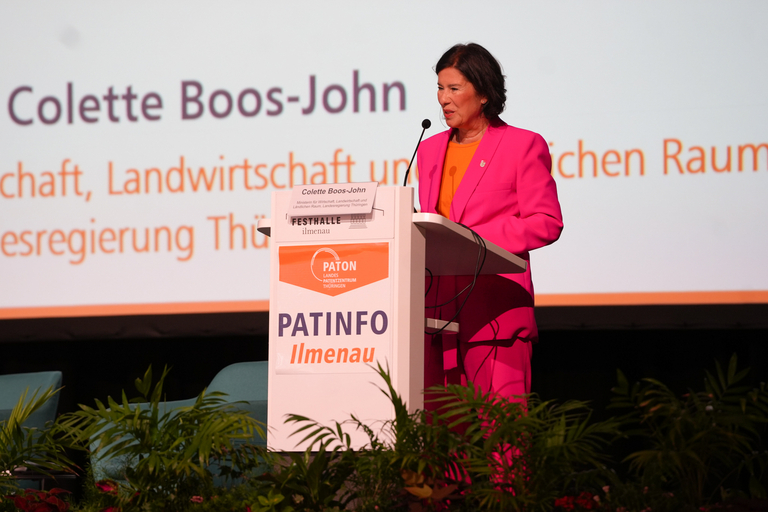
"Patents must effectively protect intellectual property,” said Thuringia’s Minister of Economic Affairs, Colette Boos-John, in her opening remarks.
We are seeing a high level of patent activity at universities, which shows that, above all, the transfer of research findings to the business sector is working well. Our industry-oriented research institutes and universities play a very large role in this, but so does, without a doubt, the host of this conference, the Thuringian State Patent Center, PATON.
According to the Minister, artificial intelligence and geopolitical change were defining issues that shape our present and Germany therefore needed to strengthen its resilience and effectively safeguard future technologies.
Intellectual property and other intangible assets are among the most important factors for success in such a small and agile state. Especially for the very large number of small and medium-sized enterprises and startups in Thuringia, the issue of intellectual property rights is a key component in making innovation economically viable and successful and in holding their own in international competition.
Intellectual property rights for a self-reliant and competitive economy and the prosperity of the people
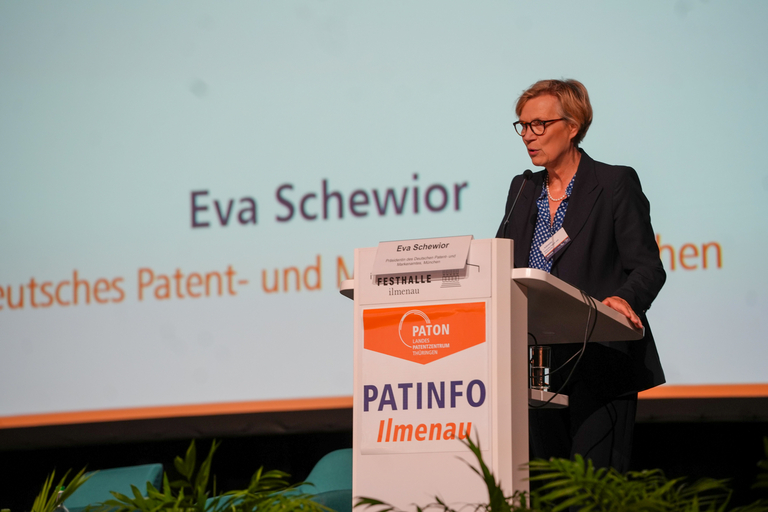
Eva Schewior, President of the German Patent and Trademark Office in Munich, also emphasized the importance of an effective intellectual property rights system for the innovative capacity of companies and research institutions.
We need experts who, for example, support spin-offs from universities and assist startups and traditional SMEs in order to strengthen Thuringia as a business location and safeguard it with industrial property rights.
The crises of our time sometimes weighed heavily on the public mood, Schewior said:
It’s sometimes hard to see the positive developments. That’s why it’s wonderful that here in Ilmenau we’re able to meet with a consistently constructive and vibrant community of experts to discuss how intellectual property rights can be leveraged even more effectively – for a sovereign and competitive economy and the prosperity of people in our society, not just here in Germany.
According to PATON Director Dr. Christoph Hoock, the panel discussion on the role artificial intelligence could play as a driver of innovation in the future – and the necessary framework conditions for this in the field of intellectual property – drew particular interest:
AI tools are already having a significant impact on the work of information professionals. However, there is currently no indication that they will render the profession of professional researchers obsolete. Sorting out facts from fiction, as well as interpretation – the “storytelling” and the advisory role in interpreting the results – will remain the exclusive domain of HI, or human intelligence, for quite some time to come.
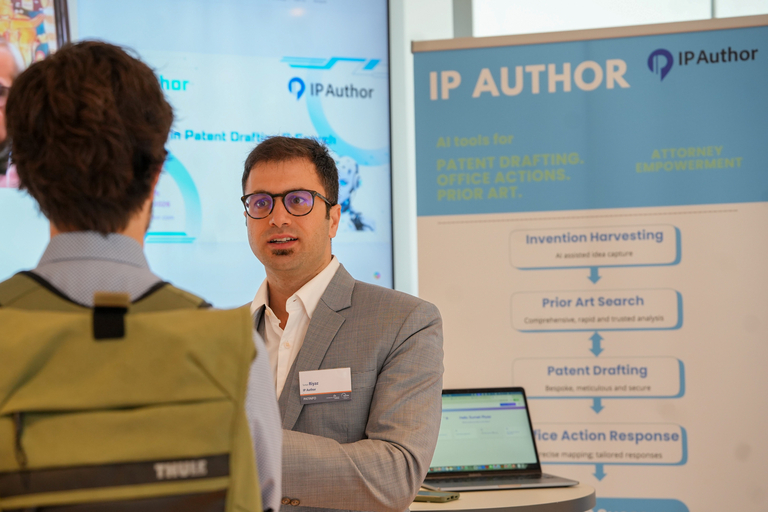
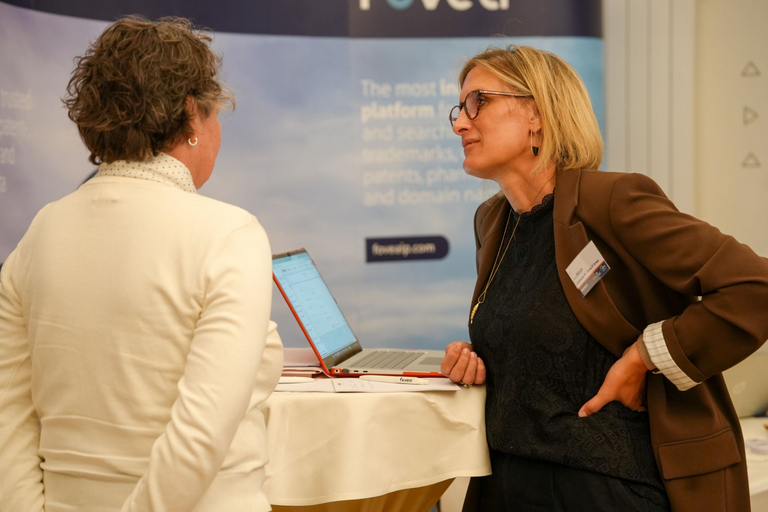
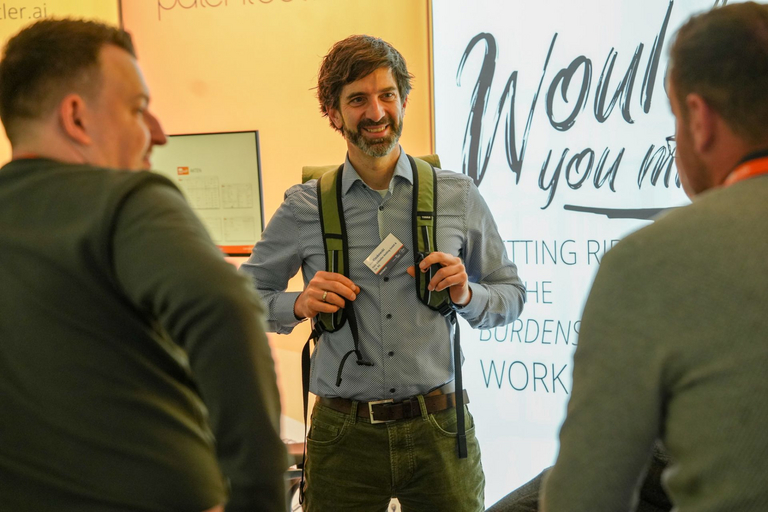
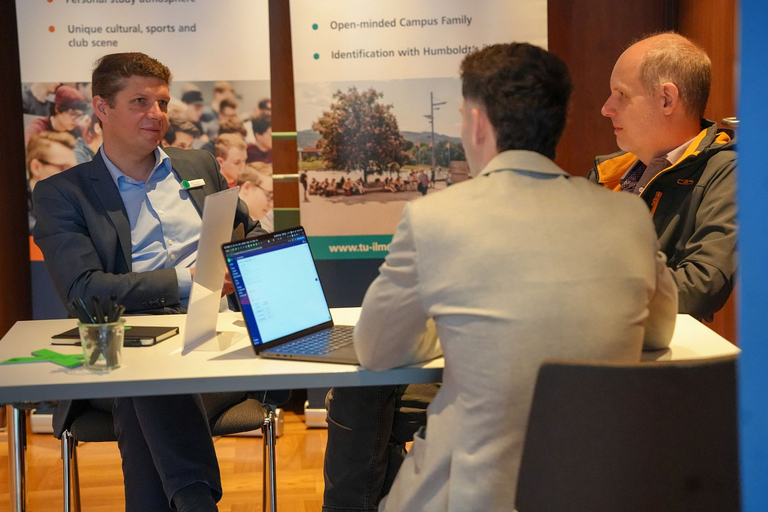
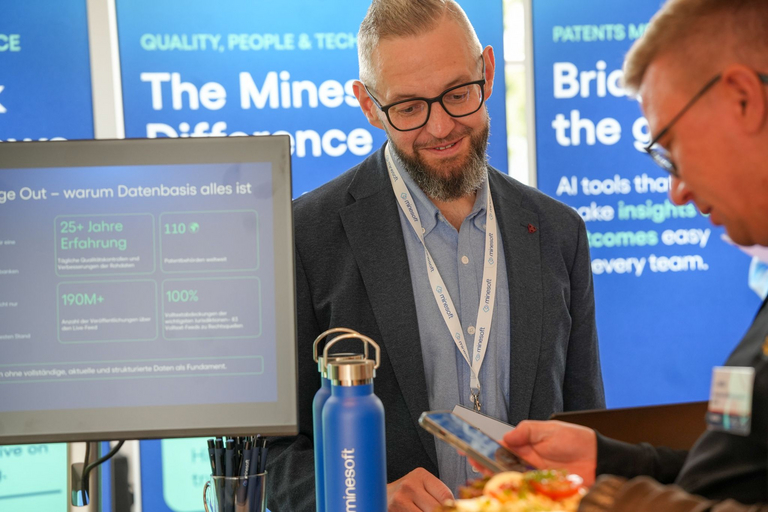
In addition to the technical program, PATINFO2026 also offered a comprehensive range of continuing education opportunities. Through workshops and, for the first time, specialized expert training sessions, participants were able to deepen their knowledge of patent information, intellectual property rights research, and IP management. The event was accompanied by a trade exhibition featuring around 30 companies from around the world, which presented the latest developments in databases, software solutions, and information services.
Next year, the PATINFO series will continue from June 9 to 11, 2027, with the theme “IP as a Bridge or a Barrier—Intellectual Property Rights in Cooperation, Competition, and Strategic Positioning.”
Read also:
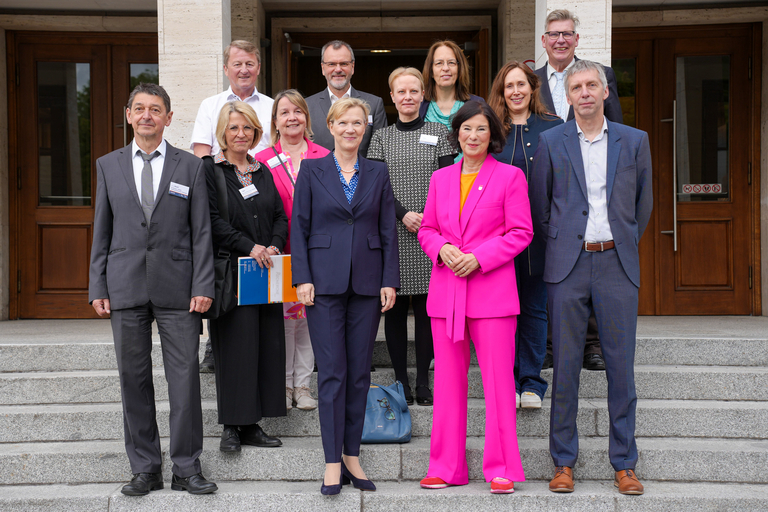
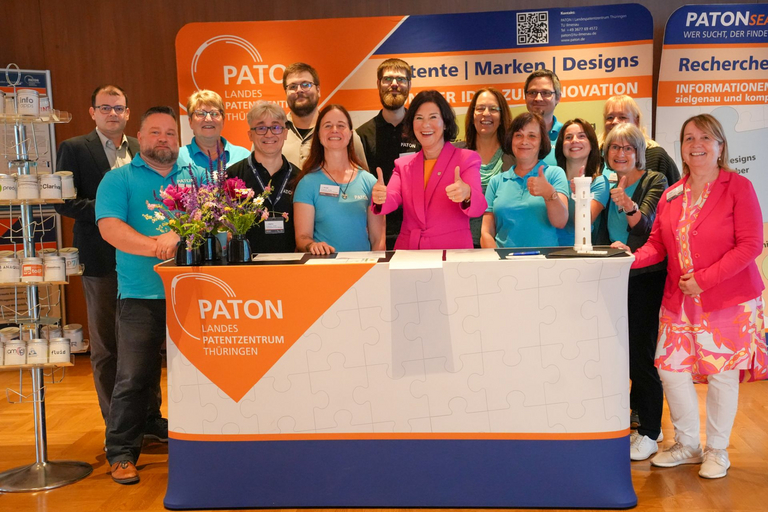
Impressions PATINFO2026

Contact
Dr. Christoph Hoock
Leiter PATON | Landespatentzentrum Thüringen