Anna-Maria Matz
Team Assistant
Ernst-Abbe-Zentrum, Ehrenbergstraße 29, 98693 Ilmenau
Media Psychology and Media Design Group
+49 3677 69 4703
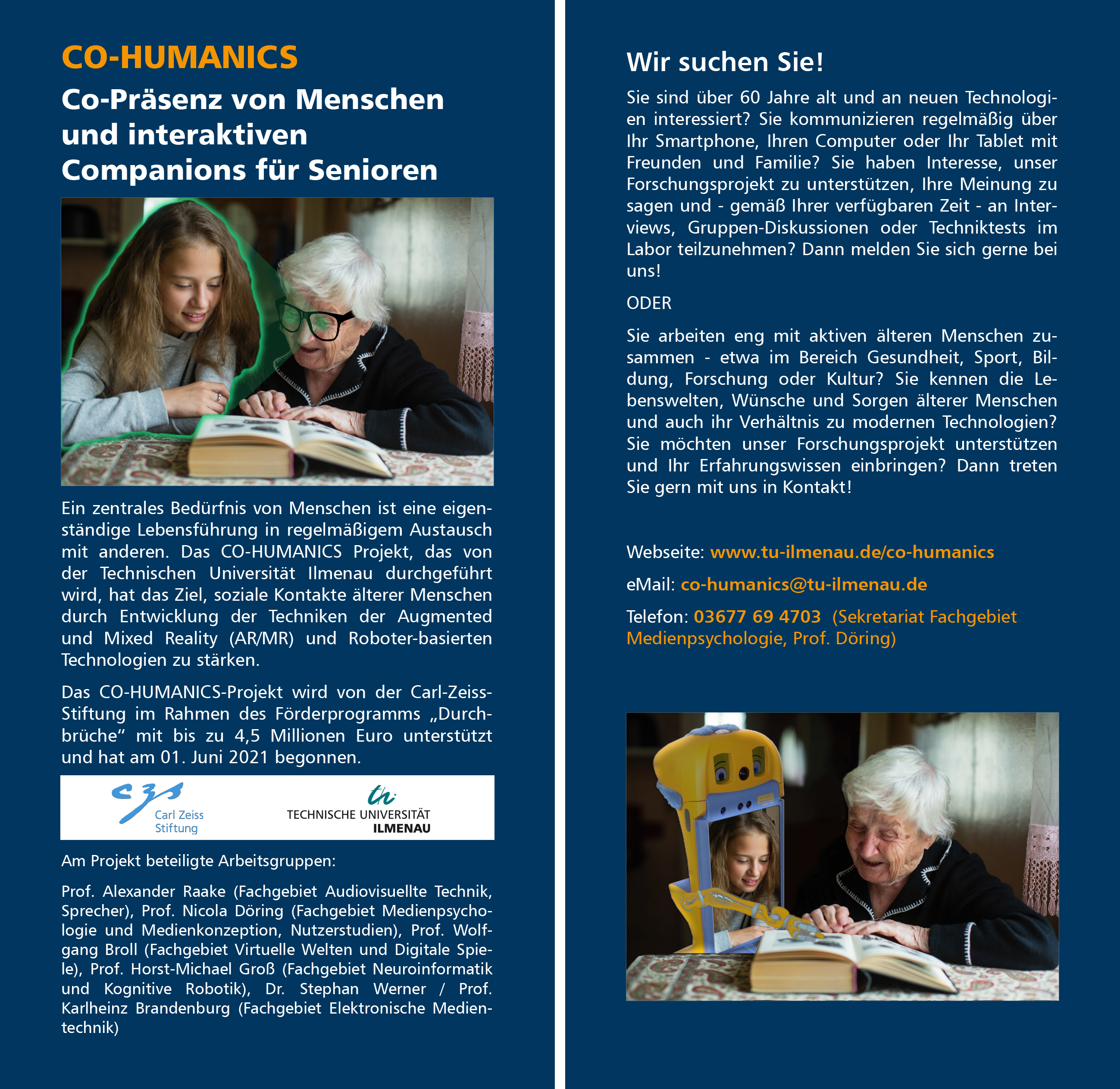
The CO-HUMANICS project (Co-presence of Humans and Interactive Companions for Seniors; www.tu-ilmenau.de/co-humanics) aims to develop innovative technologies that make it easier for older people to maintain social contacts and actively participate in social life.
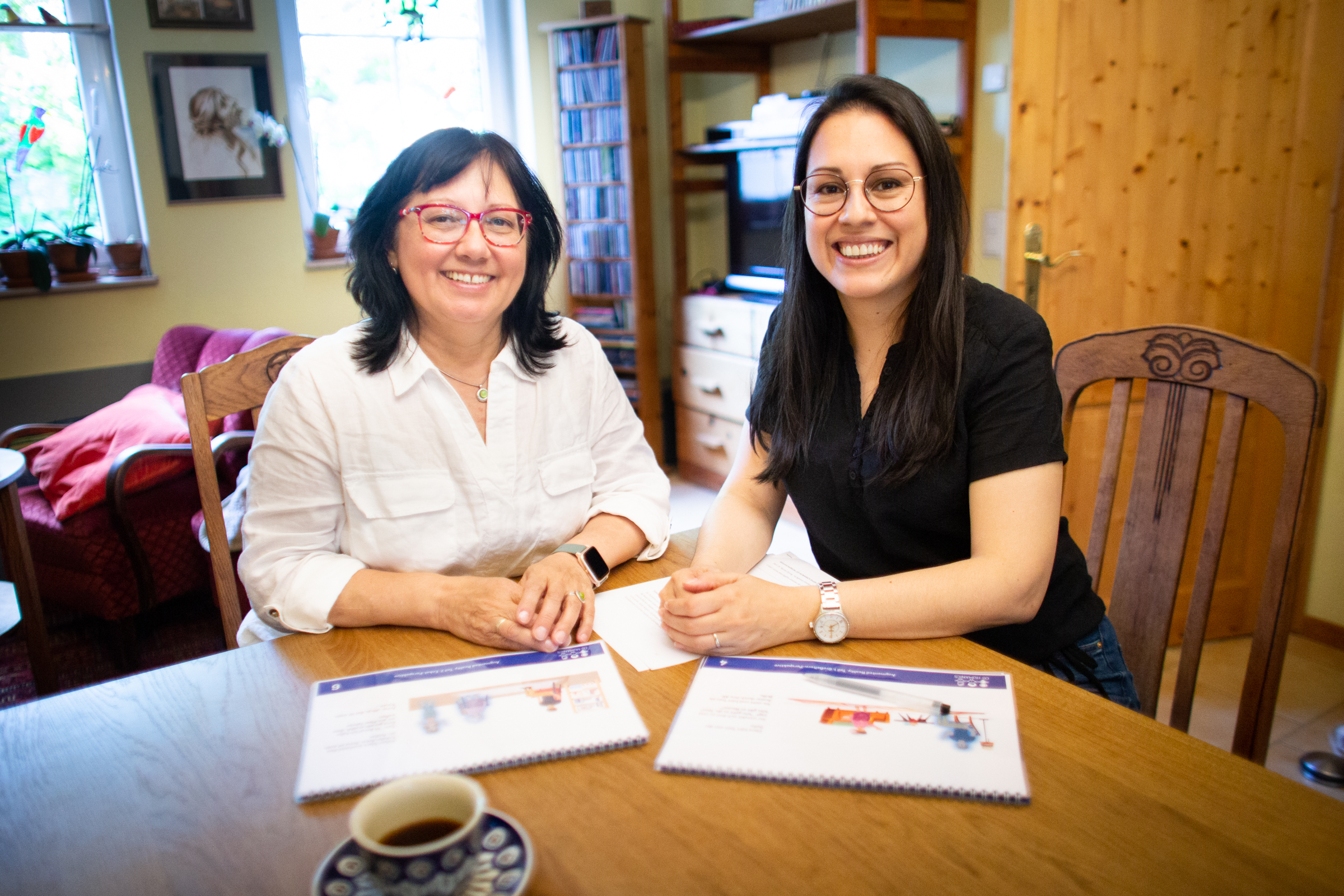
As part of the work package Evaluation, Media Psychology and Media Design Group invites all peope who are over the age of 60 and interested in technology to participate in the development process from the very beginning. For more information on how to participate, please see our project flyer:
The scientific results of the work package Evaluation can be found here.
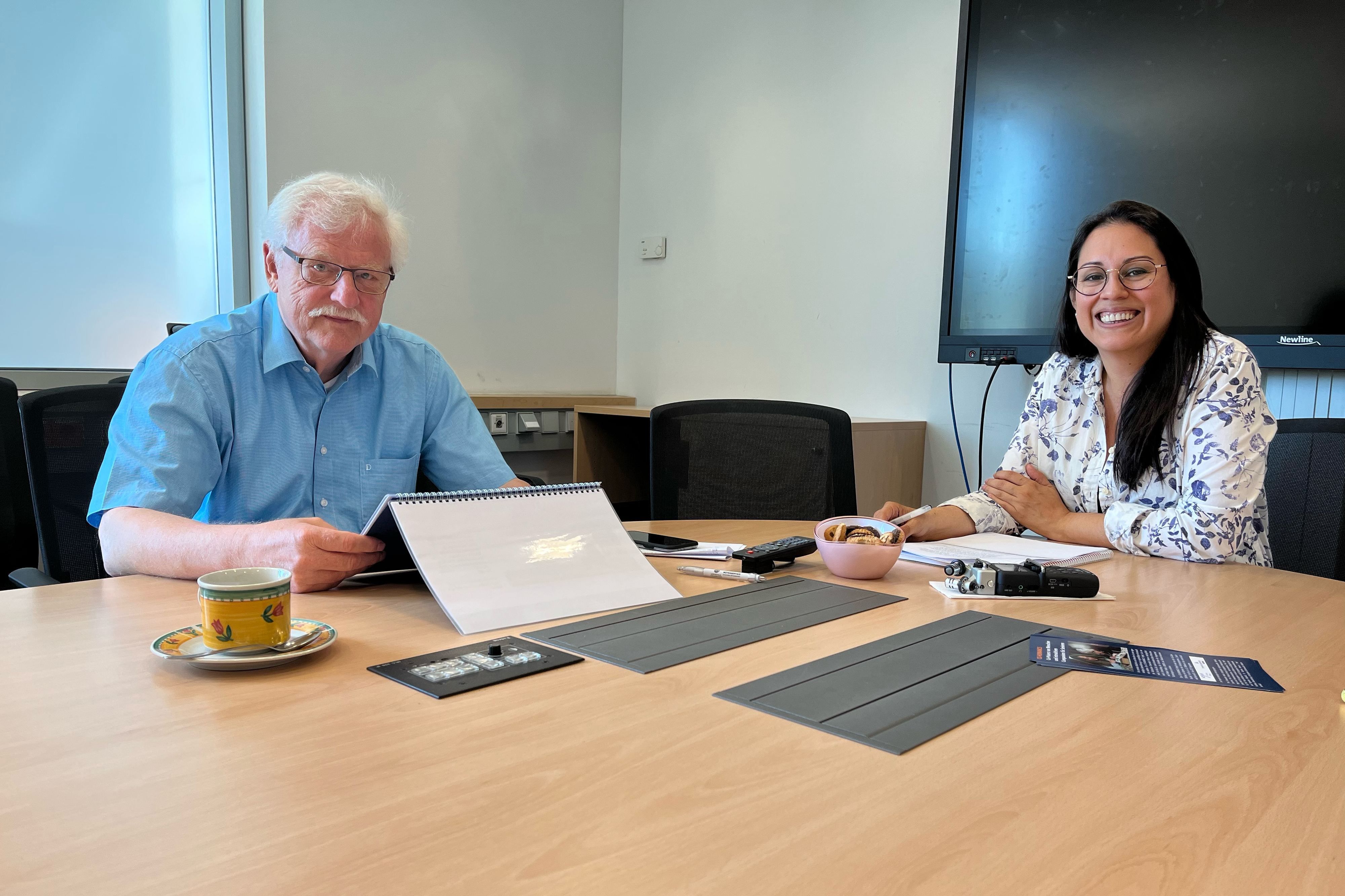
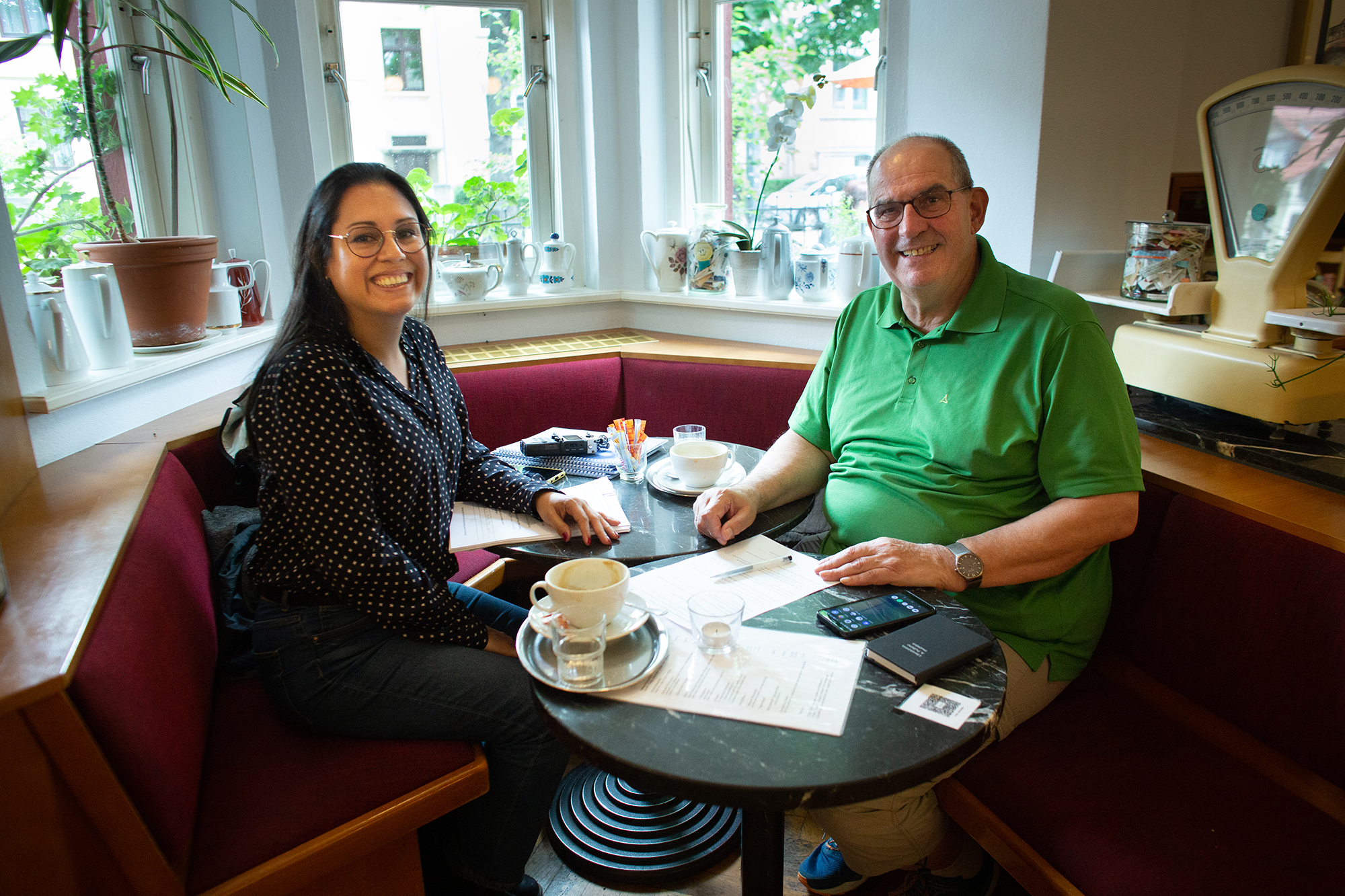
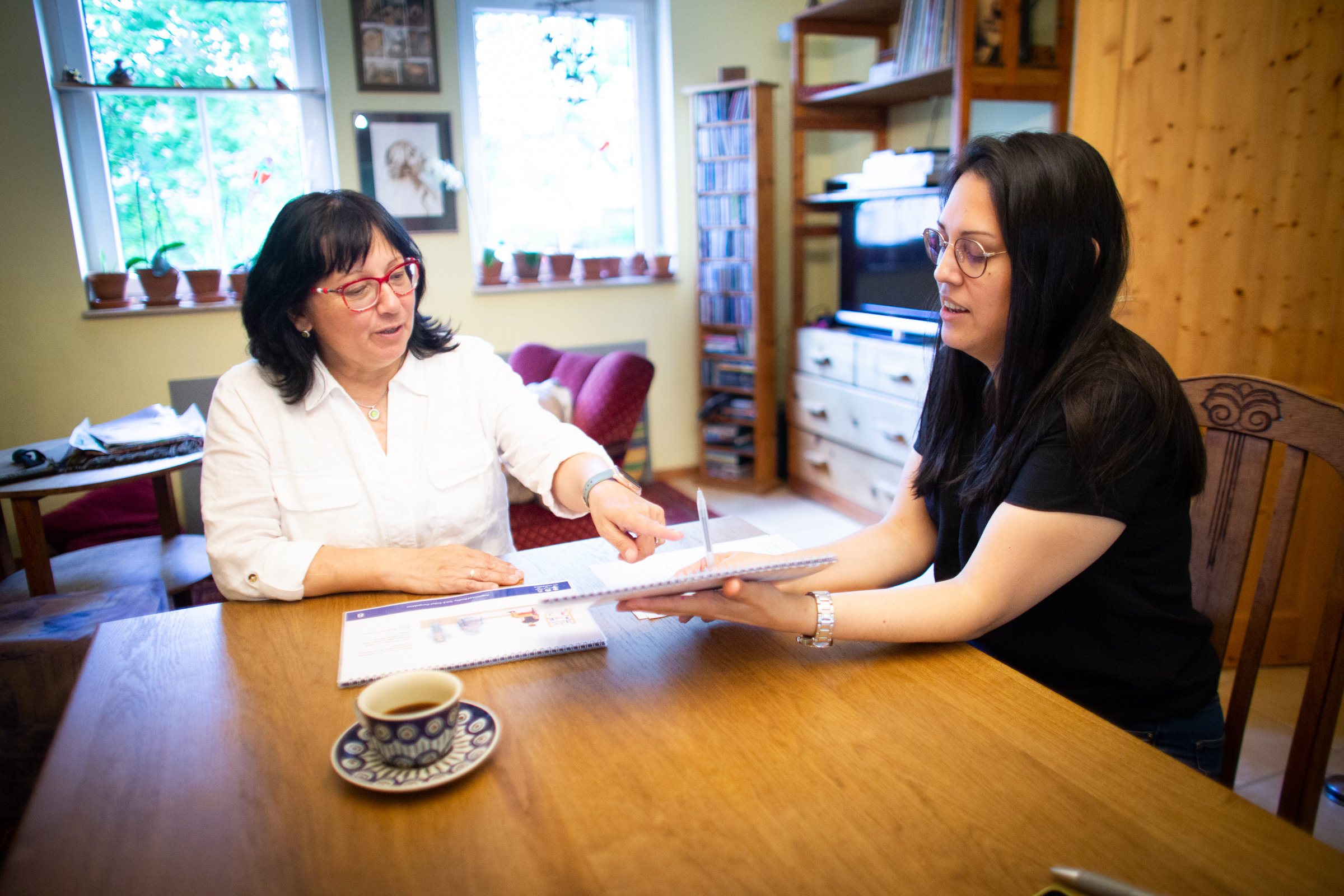
Between May and October 2022, 30 people between the ages of 60-74 were interviewed as part of an interview study on innovative technologies. Participants spoke about their current experiences with modern communication technologies and requirements and wishes for a future augmented reality (AR) system and a telepresence robot. These requirements will be implemented in later phases of technology development.
The innovative technologies were discussed using visual scenarios that show how an AR system and a telepresence robot can be used for communication between grandparents and their grandchildren. The animated-style scenario visuals are deliberately colourful and bold to make them easy to understand and not intimidating. They were pre-tested with members of the target group and technology experts.
Although not all older people are grandparents, previous research has shown that the use of innovative technologies in grandparent-grandchild communication is very common and is perceived as very plausible. This example was therefore selected for the visualisations. However, other contexts of use (e.g. with other relatives, friends) were also discussed in the interviews.
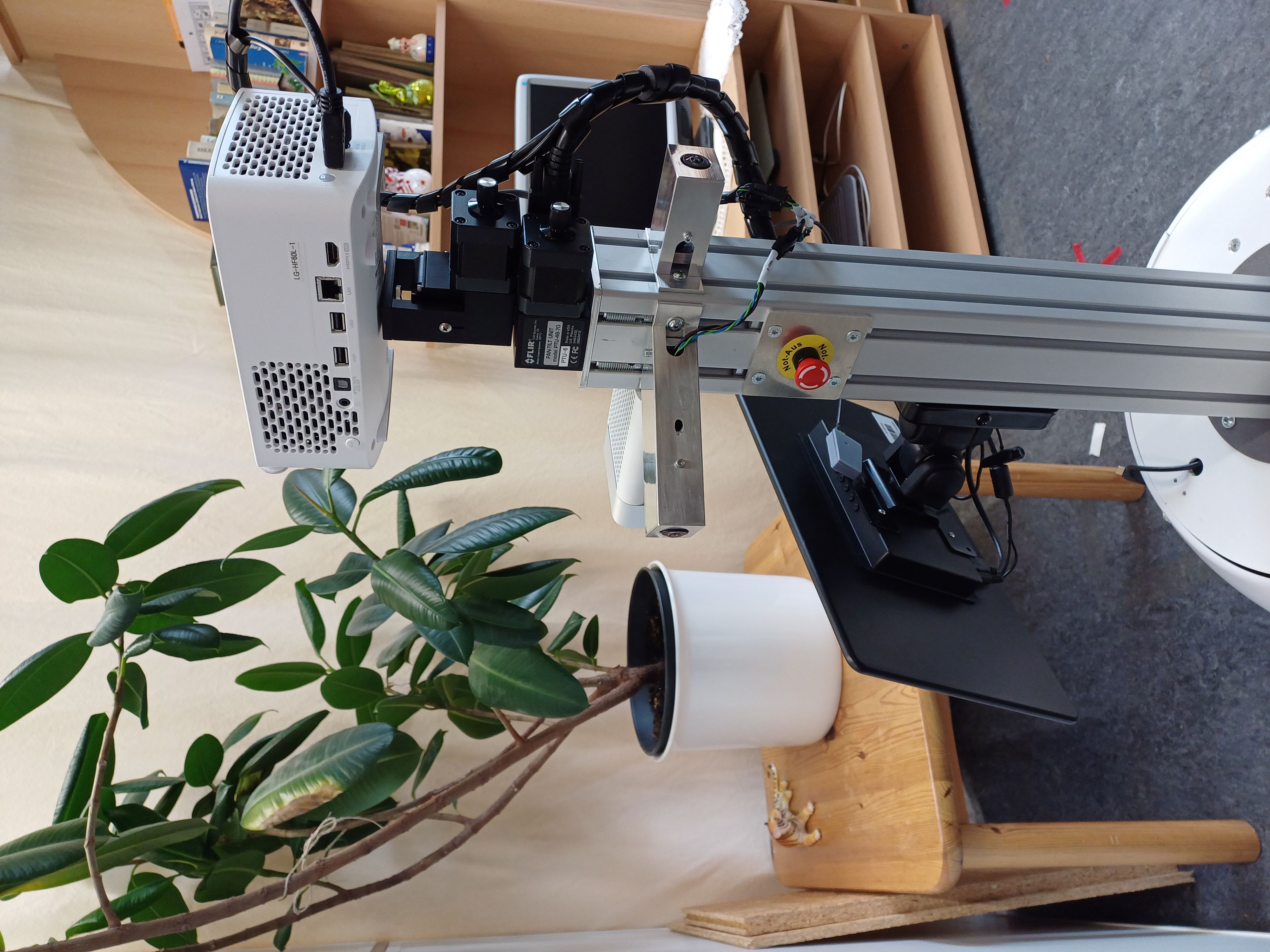
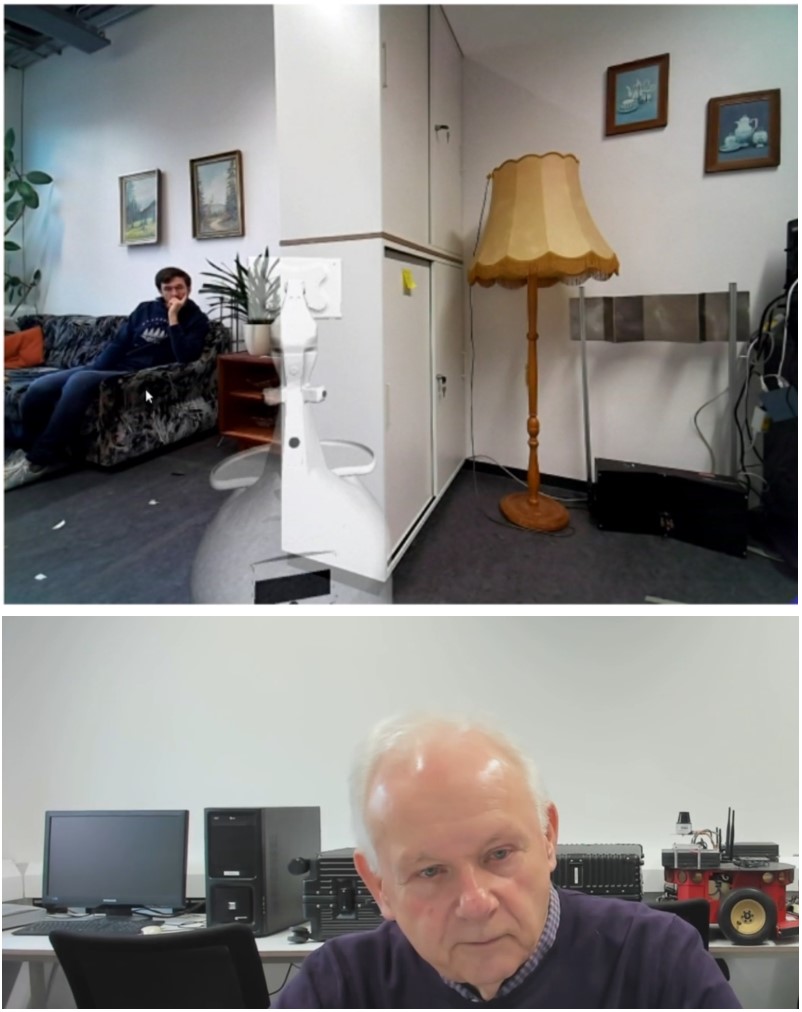
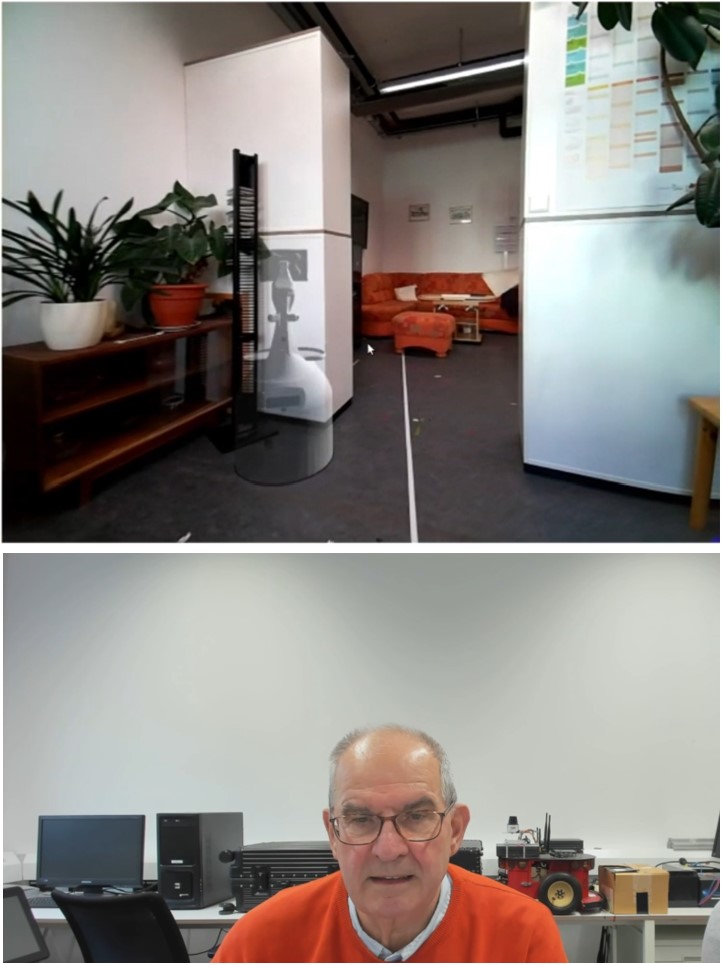
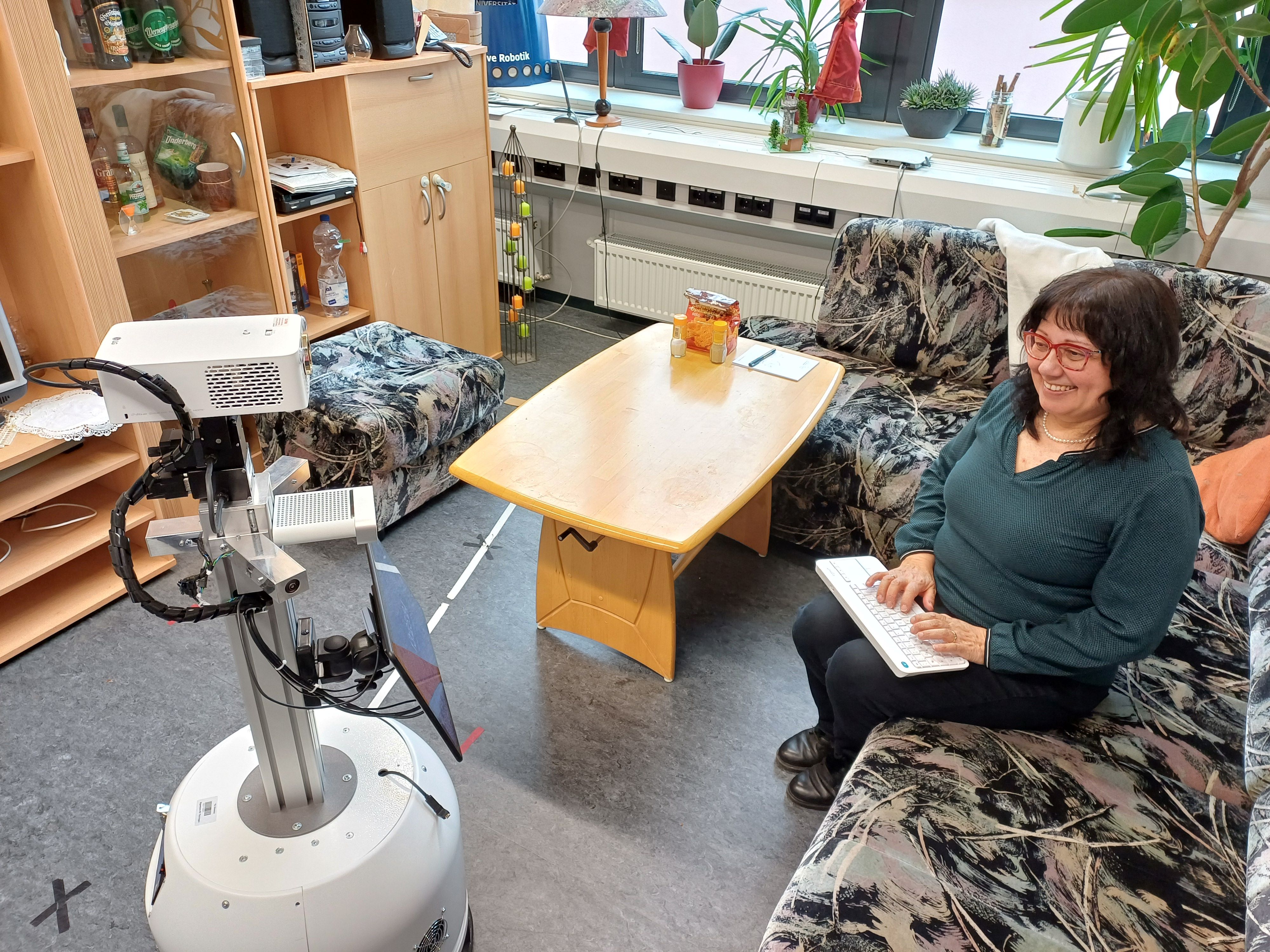
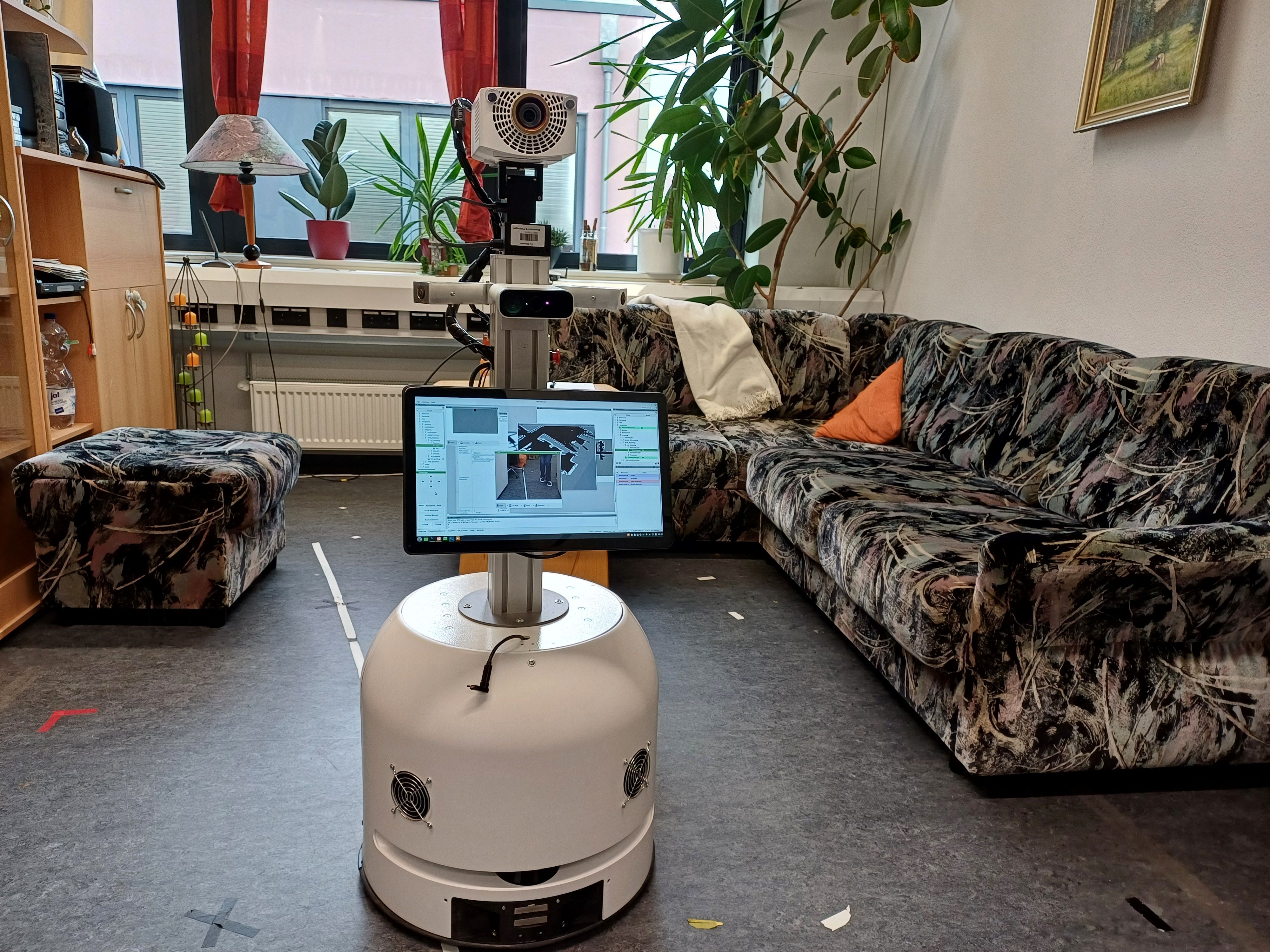
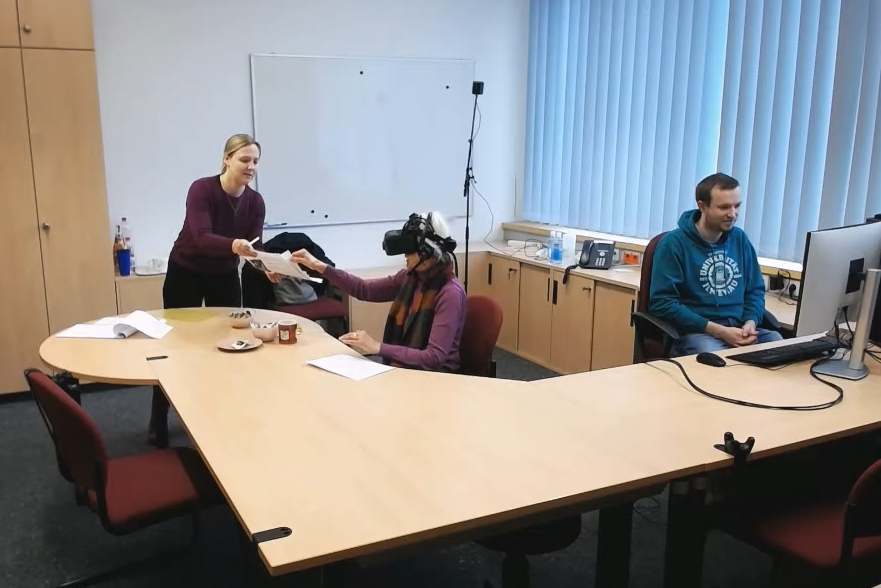
A group of 14 women and men aged 61-75 were the first to test the prototype of a telepresence robot developed in the CO-HUMANICS project. During the user tests (December 2023), the participants had the opportunity to navigate the robot while searching for "hidden" objects in the living lab. They also carried out robot-mediated communication with a partner.
The results of the user tests will enable further development and customisation of the telepresence robot prototype to promote the social integration of older people.
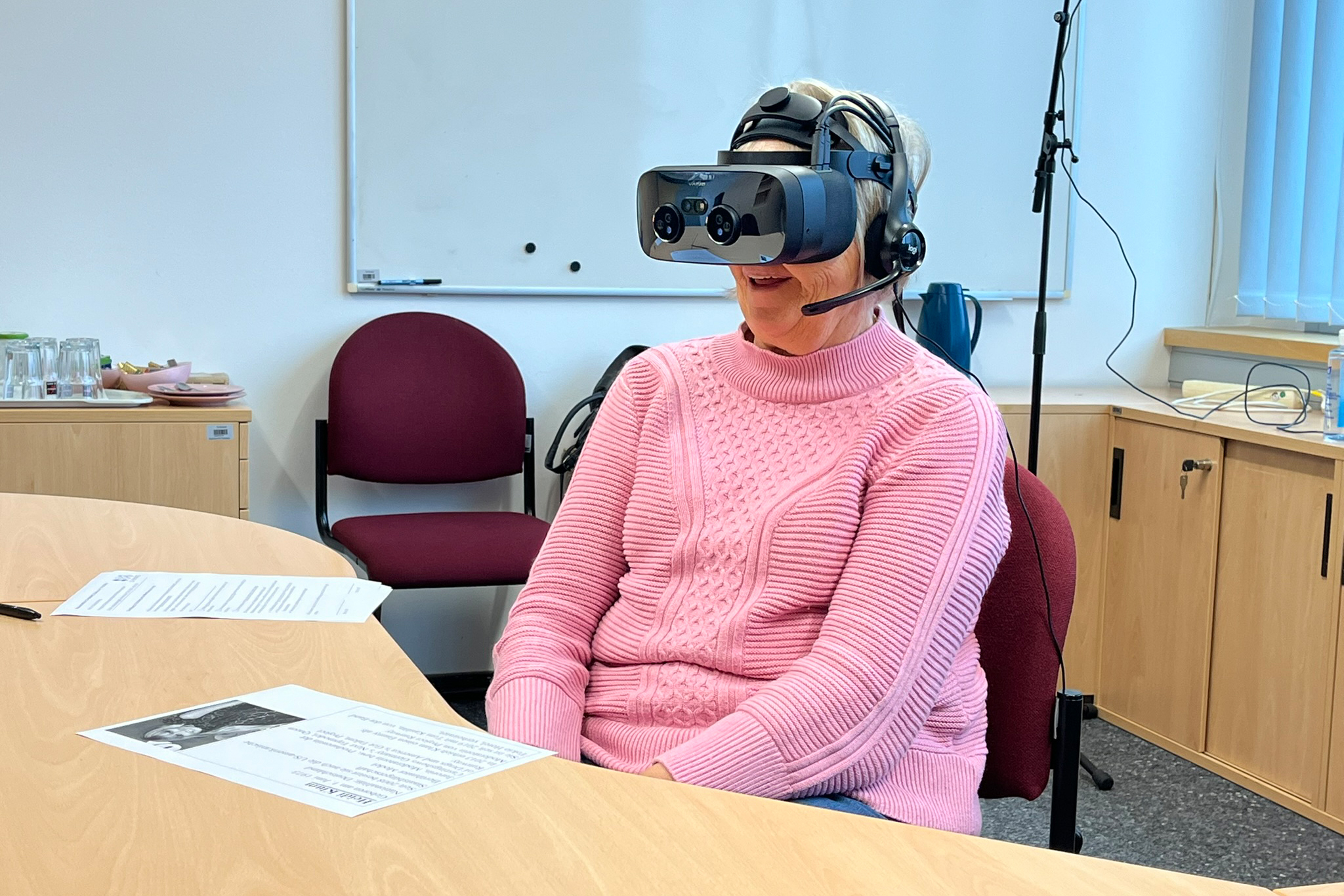
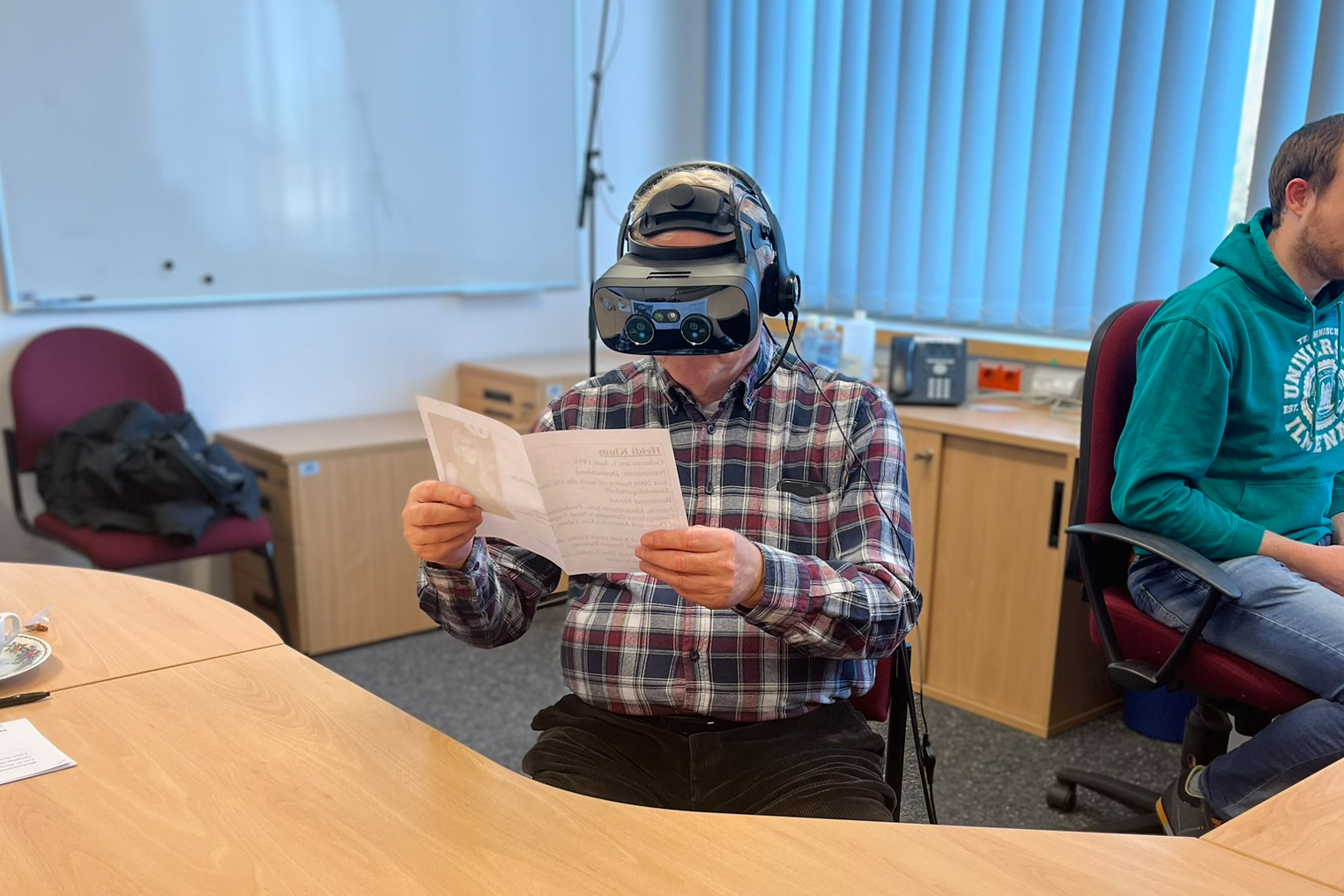
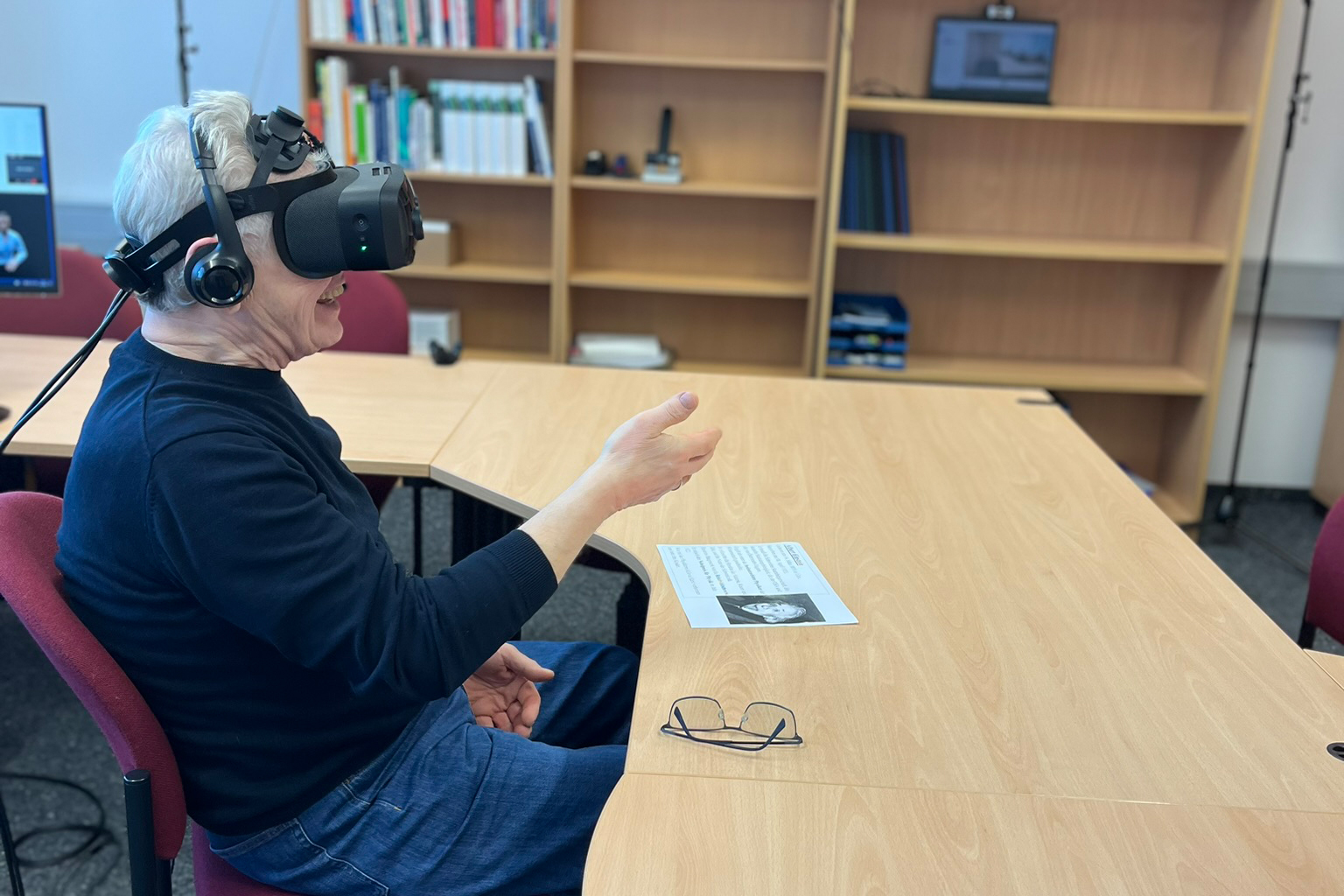
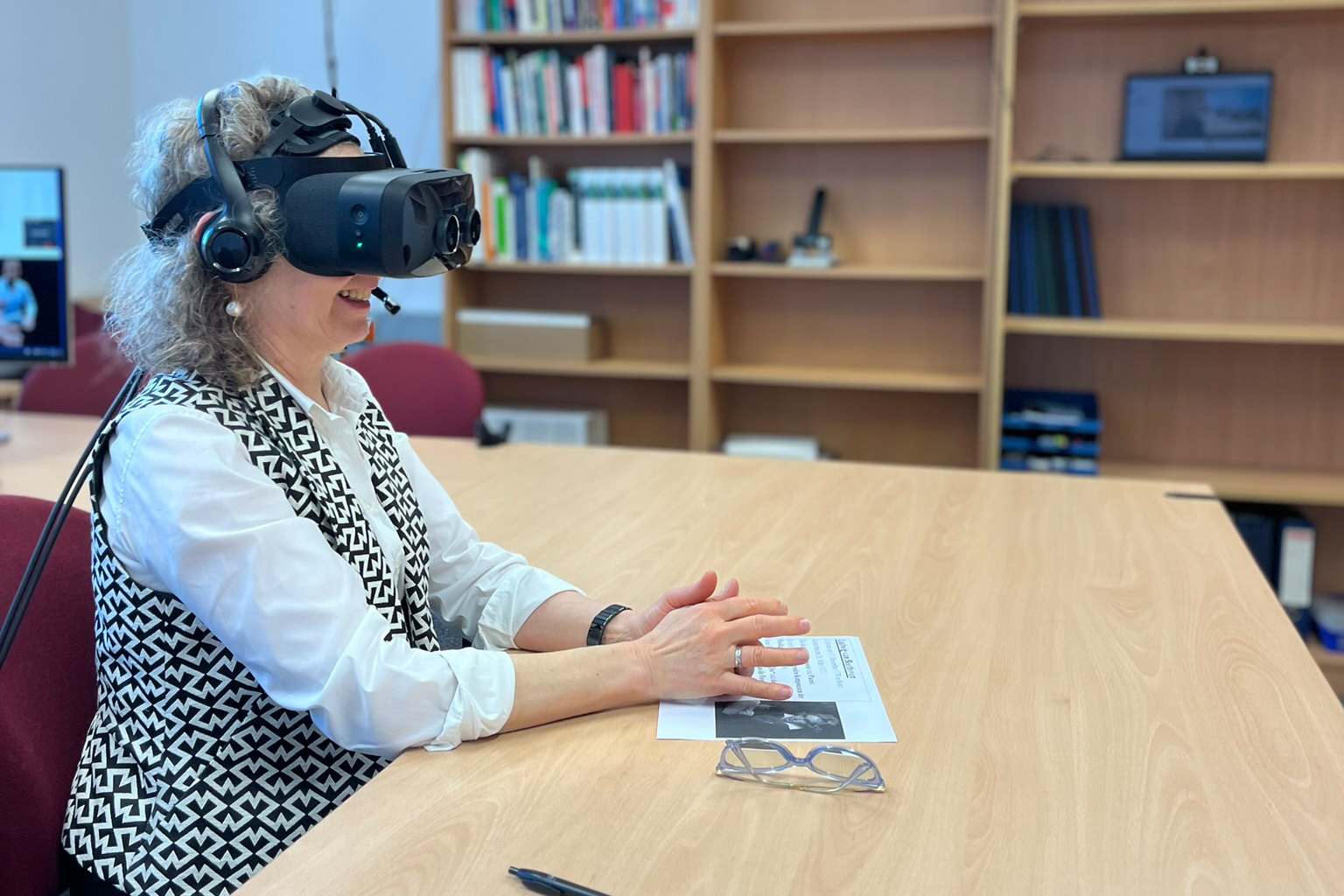
At the beginning of February 2024, 16 men and women aged 60-78 were invited to the TU Ilmenau laboratory to try out the first prototype of the AR communication system developed. Participants had the opportunity to wear a modern AR headset, meet a friendly avatar, have a short conversation with it and even try to shake its virtual hand.
The feedback from participants will be used to refine the system prototype and gain insights into the potential of AR to support the social lives of older people.
In August 2024, two participatory design workshops were conducted with 13 adults between the ages of 68 and 73. Participants were invited to discuss their preferences and requirements when controlling a telepresence robot, specifically through voice commands and human-robot gestures. During the workshops participants were asked to visualize different real-life communication scenarios in which they would use a telepresence robot. Additionally, they were asked to reenact the ways in which they would like to control the robot during these scenarios.
The results of the workshops will be used as the starting point for the implementation of voice command and gesture recognition functions in the telepresence robot prototype.
In December 2024, 10 men and women over the age of 65 visited a laboratory at TU Ilmenau to test improved AR and robot prototypes. The aim was to compare these new technologies with traditional face-to-face communication.
The participants carried out two conversational tasks with the same person - once via AR glasses displayed as an avatar, once via the screen of a telepresence robot, and once in direct personal contact in the same room. Their impressions and evaluations were recorded using questionnaires and open feedback.
The insights gained will help to further develop the technologies - with the aim of significantly improving the feeling of social presence during digital conversations.
In August 2025, 24 men and women over the age of 60 visited a laboratory to test a telepresence robot designed to support social interaction in later life. The aim was to examine whether communication via the robot is experienced differently depending on whether the remote communication partner is familiar or unfamiliar, and whether gesture recognition influences this experience.
The participants completed a collaborative tangram task in four different conditions: with a familiar or unfamiliar partner, and with gesture recognition either activated or deactivated. Their impressions and evaluations were recorded using questionnaires.
The results showed that familiar partners increased the feeling of social presence, while gesture recognition had little effect on the overall evaluation of the interaction. The findings contribute to the further development of telepresence robots for older adults, with a particular focus on the social context of communication.
A laboratory study investigated how older adults experience shared play activities in augmented reality (AR). Twelve participants aged 68 to 83 took part in pairs in a 15-minute co-play task in which a virtual house was collaboratively built using head-mounted displays and personalized avatars.
The aim of the study was to examine how such AR-supported collaboration is experienced and to what extent it can foster social interaction and connectedness. Measures included user experience, avatar perception, social presence, perceived connectedness (pre–post), and intention to use.
The findings indicate that AR co-play is experienced by older adults as overall positive and engaging and can support social interaction in a natural way. At the same time, the results point to existing design and technical challenges and highlight the potential of AR as an age-inclusive technology for collaborative and playful experiences.
* All photos were taken and published with the written consent of the participants.